
PART I – WOULD YOU LIKE TO BECOME FAMILIAR WITH FABRICS AND THEIR USE?
stay in-the-know
Sign up for our newsletter!
By: Maritza Villarroel
Exclusively for Rex Fabrics
Fine Fabrics from Around the World
REX FABRICS offers you a trip around the world of their fabrics and their use. This way, you may choose the weave you are looking for to give it the appropriate use. At our store, we carry many other types of fabrics of the highest quality and excellence.
The result of joining threads through knitting or other techniques and which has a flexible structure is known as fabric. It can also be formed from fibers. Threads and fibers used in the manufacturing of fabrics may be natural or artificial. They have different levels of flexibility and resistance, therefore each fabric will be manufactured with different material in accordance with the use it will be given.
Natural fabrics are manufactured from threads and fibers obtained from cotton, silk; wool, and linen, among others. They do not require a chemical process for its transformation. Artificial fabrics are generally obtained by converting determined polymers into threads. The most common artificial fabrics are those produced with polyester or nylon. This type of fabric usually requires a chemical process in order to transform the materials and provide the necessary structure.
Regardless of whether they are natural or artificial, fabrics are usually classified according to their ultimate use, and they include the following:
Textile fabrics : Fabrics that will be used to manufacture clothes, shoes and undergarments or outerwear in general.
Geo-textile fabrics: Fabrics used during the process of agriculture.
Textile fabrics for the home: These are the fabrics that are mostly used for home decoration and upholstery, as well as for the manufacturing of rugs.
Industrial fabrics: Fabrics for, strictly speaking, industrial use, and unlike the rest, they are designed and manufactured with more resistant materials and they shall comply with industrial use requirements and they are not marketed at the same level as ordinary fabrics.
DIFFERENT TYPES OF FABRICS AND THEIR USE.
Acetate: An artificial fabric of silk appearance, manufactured with cellulose acetate threads. It does not shrink, it does not run and it does not wrinkle. It may be used for lingerie, blouses, dresses, etc.

Acrylic: An artificial fabric similar to wool weave. Well-defined colors. It replaces the natural wood fabric on any type of fabric.

Aida: A cotton fabric especially granted for cross-stitch. It is the easiest one to embroider. They have different weaving, 8, 11, 16 y 18. These numbers indicate the number of stitches per inch.
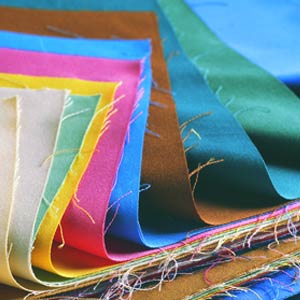
Germanesque: A strong thread or cotton genre. It contains an unequal surface due to the alternate threads that Intersect those of the weave. It is used for towels and table linens.
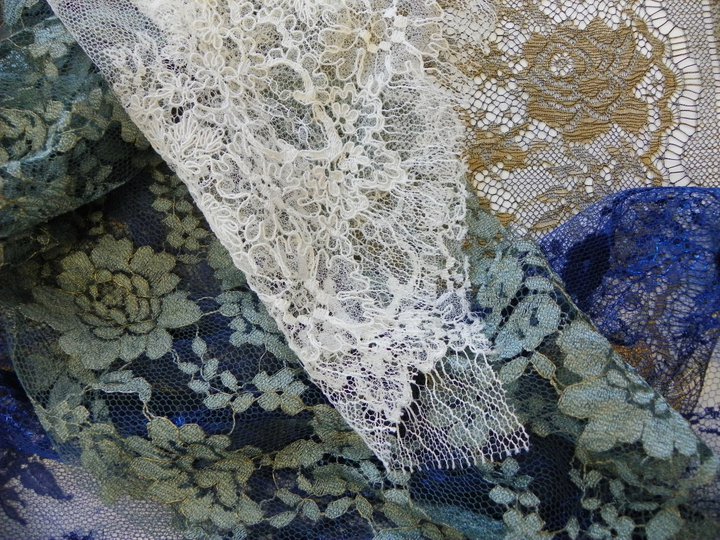
Alencon: A lace whose name is derived from the French city where it is manufactured for the first time. It is known for the piping that traces the pattern. It is used for delicate garments, lingerie or bridal gowns.
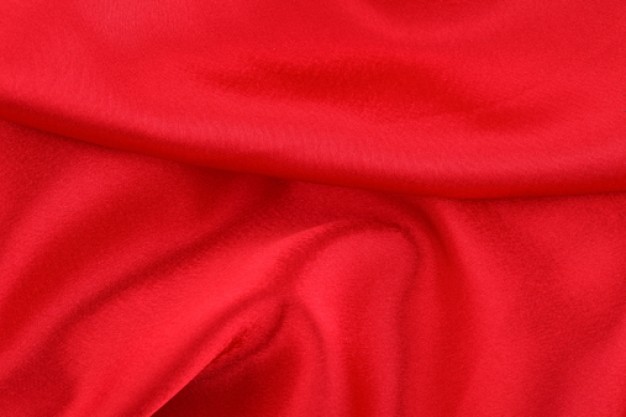
Cotton: Cotton vegetable fiber depends on its fineness, purity, shine, and on the longitude of its fiber which is obtained from the sediments that covers the seed of the cotton tree. The greater its quality, the finer it is. The one with long fibers is used for batiste, poplin, damask, etc. fabrics. This fiber has great absorption power. It is resistant to heat, it is washable, it does not get moth-eaten, it gets matted and it does not accumulate static electricity.

Batiste fabric: It is a very fine, very closely-woven white fabric that has a light framework of linen threads that offers it a unique shine. It can be used to make Christening gowns, blouses and scarves.
Damask: It is a well-defined weave. It has chiaroscuro because of the unusual tracing of its weave and warp (collection of threads that are placed longitudinally and parallel on the loom to form a weave). It is ideal for table linens.

Alpaca: Fabric manufactured with Alpaca wool fibers. Fine, silky and light weave. It is used for coats, sweaters, etc.

Angora: Soft, shiny, rigid hair goat wool. It may be used for sweaters, linings, raw fabrics, material for decoration and combination for dresses, hats, upholsteries...etc.
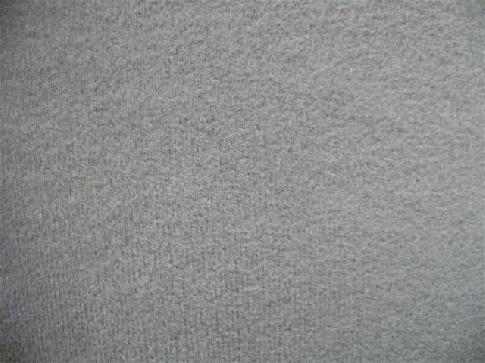
Asia : A purely normal and very thick linen weave. It cross-stitch embroiders well. It is ideal for making bedspreads, table linens, cushions, etc.

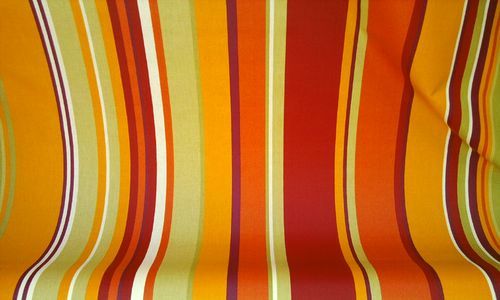
Bayadere: Fabrics with stripes of much transverse contrast. It is usually used for table linens.
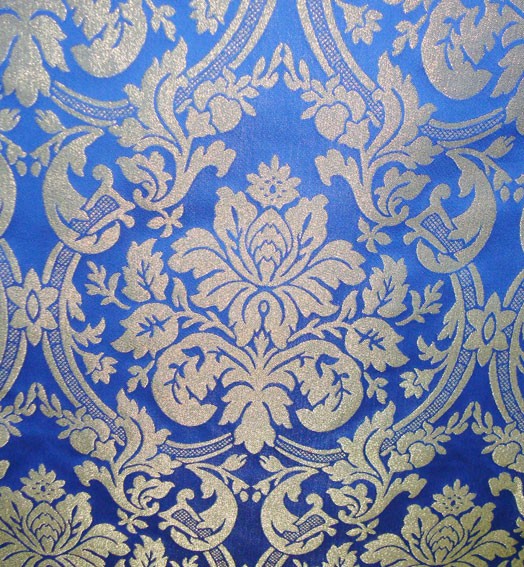
Brocades: Silk weave with protruded embroidery of metal threads or more sheen silk forming flower, animal or geometric figure patterns. There are brocades that mix rayon, viscose, and cotton at different percentages, which is the reason for their texture and thickness. It is used for dresses and formalwear.
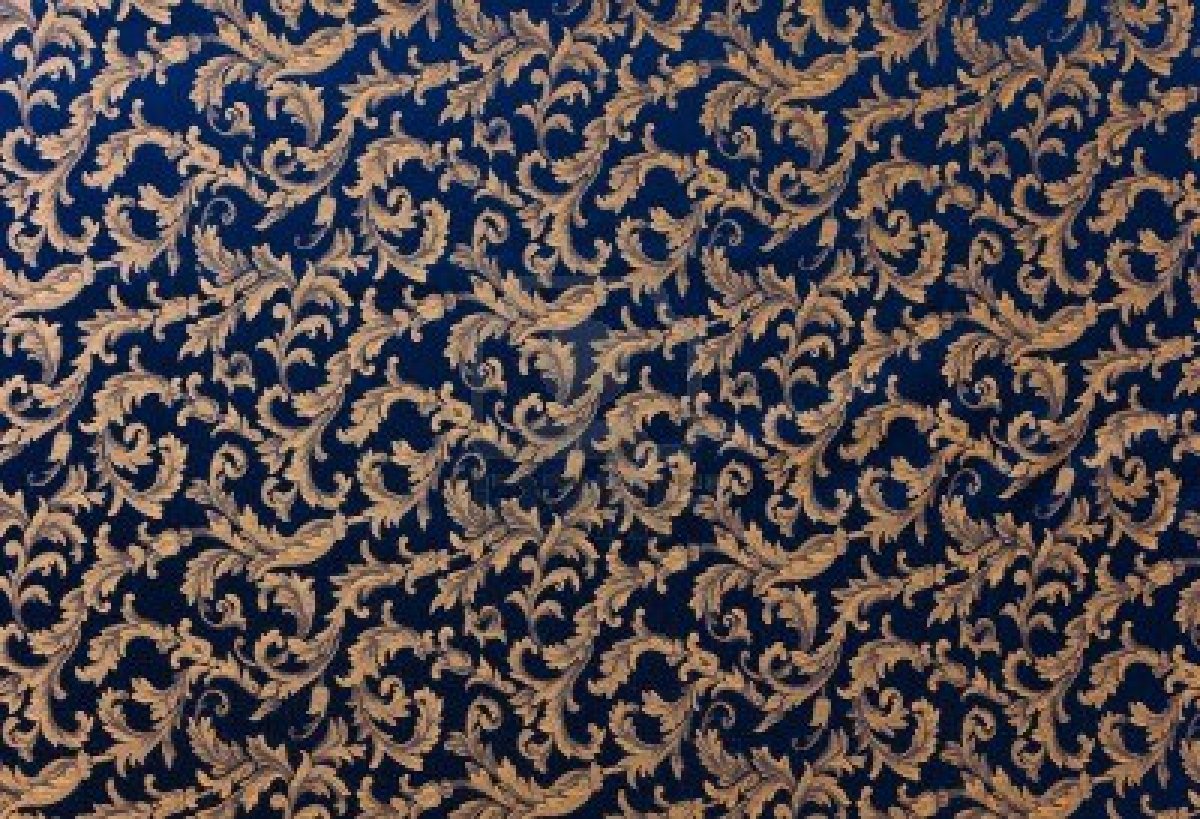
Brocatel : with Warp (collection of threads that are placed longitudinally and parallel on the loom to form a weave) of silk and cotton weave. Like linen or worsted silk. It contains patterns of many colors. It should be dry-cleaned. A very popular fabric to make XIX and XX century dresses, also associated with furniture upholstery and drape-making.
Cashmere: A fine and soft fabric made in Tibet with the cashmere goat brushed wool.
and-flower-fabric-by-Robert-Kaufman-171765-2" src="https://blog.rexfabrics.com/wp-content/uploads/2012/12/pink-Paisley-pattern-and-flower-fabric-by-Robert-Kaufman-171765-2.jpg" width="350" height="350" />
Chalis: Very light and soft wool fabric. It is used to make blouses and dresses for women and children; ties, kimonos and sportswear.
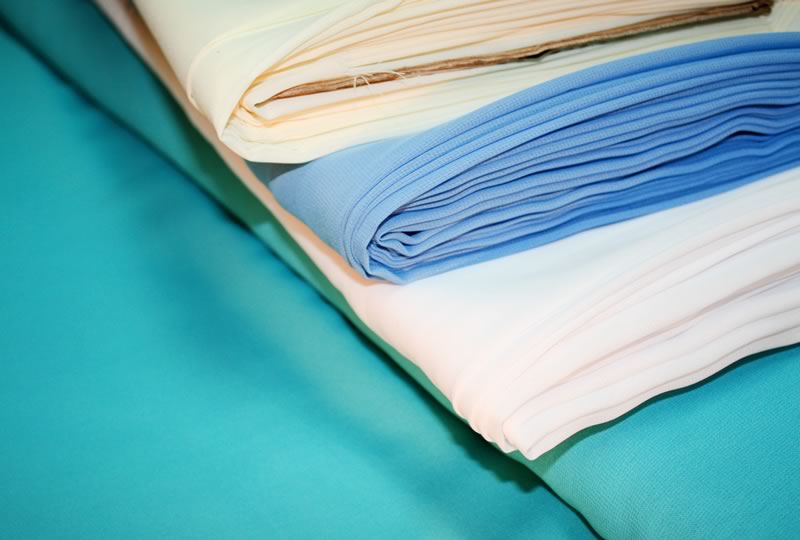
Chiffon, Tulle, Silk Gauze, Veil : Light and semi-transparent fabric to be used for blouses and shawls worn in the afternoons.

Embroidery Canvas: It is a very special fine cotton fabric with a very simple weave. It serves as a support for cross-stitching embroidery over fabrics, which, because of its composition, does not allow for embroidering over counted threads.

Crepe: Thin and light fabric made of silk or cotton, and other types of weaves. Of coarse and wrinkle appearance. Depending on the thickness, it is used for all types of dresses, including long dresses, suits and coats.
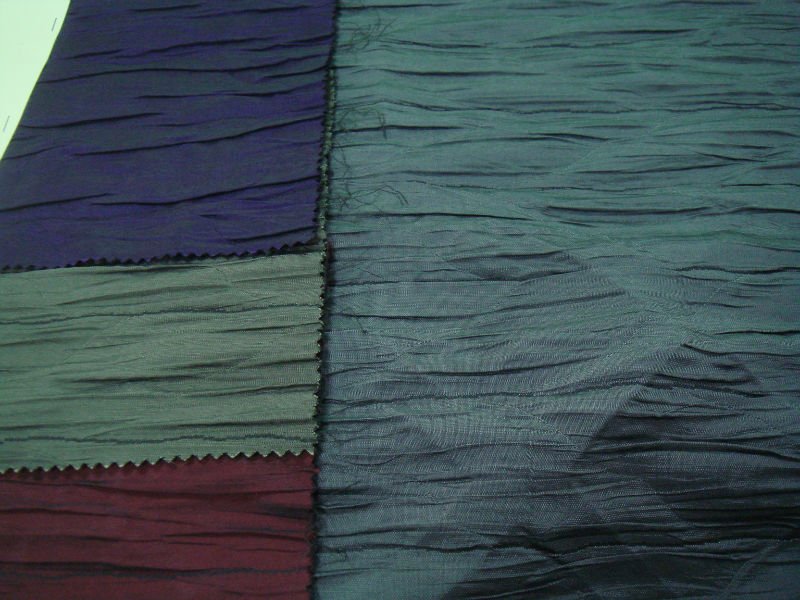
Georgette Crepe: Well-defined fabric, usually made of silk, silk and cotton, silk and rayon and other mixtures, wherein the aspect and properties of the crespon are very enhanced.
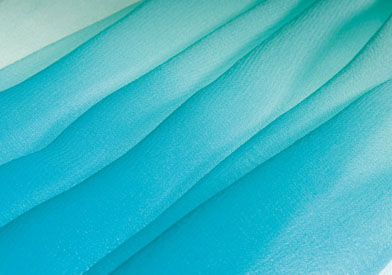
Crepon: A fabric very similar to the crespon. It was used during the XIX century to make dresses, blouses, underclothes and sleepwear.

Crespon: Thin and wrinkled weave, manufactured in wool, silk, cotton, rayon, linen and also in combinations thereof. It usually contains prints and it is widely used for women suits.

Cretonne: Derived from the French last name“ Cretonne”, the first manufacturer of this weave. It is a somewhat thick printed cotton fabric. It is used for simple dresses for women, drapes and other creations for the home.

Cuti : A cotton-striped fabric used to cover mattresses. It is a very strong and resistant textile.

D’alencon: A thick lace, edged with a fine strand called cordone. It is used for delicate garments, like bridal gowns.
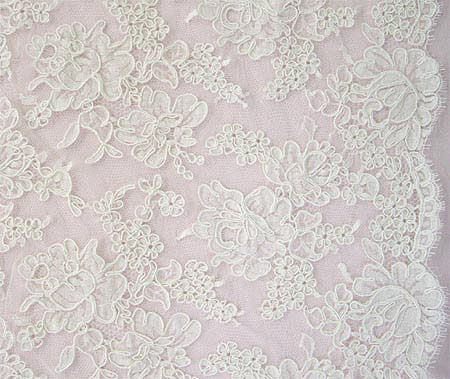
Damask: Silk, cotton or wool weave that mixes threads forming a rich protruded print. There are also some of these damask fabrics that are made with silk and metallic threads. This type of fabric is good for corsets and wide skirts.
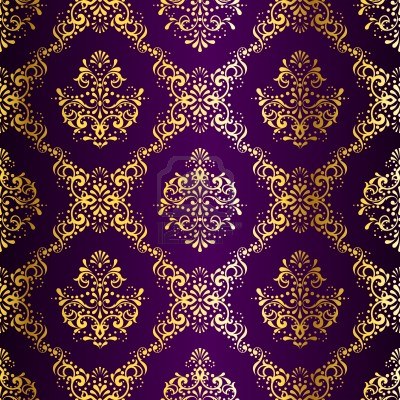
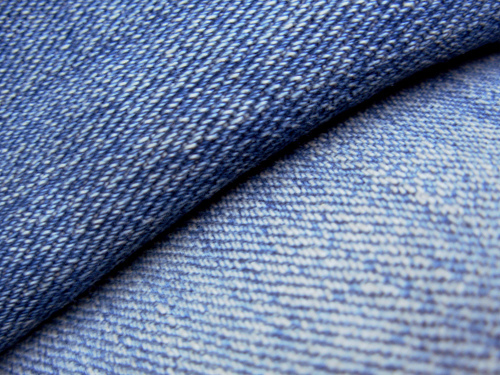
Denim or Jean: A dense and strong weave made of cotton and serge textile (fabric with weave forms diagonal lines). It is used for pants, jackets, shirts, slippers.
Douppioni: Irregular surface. It imitates rayon and other synthetic materials. It is used for garments such as dresses, skirts and formalwear.
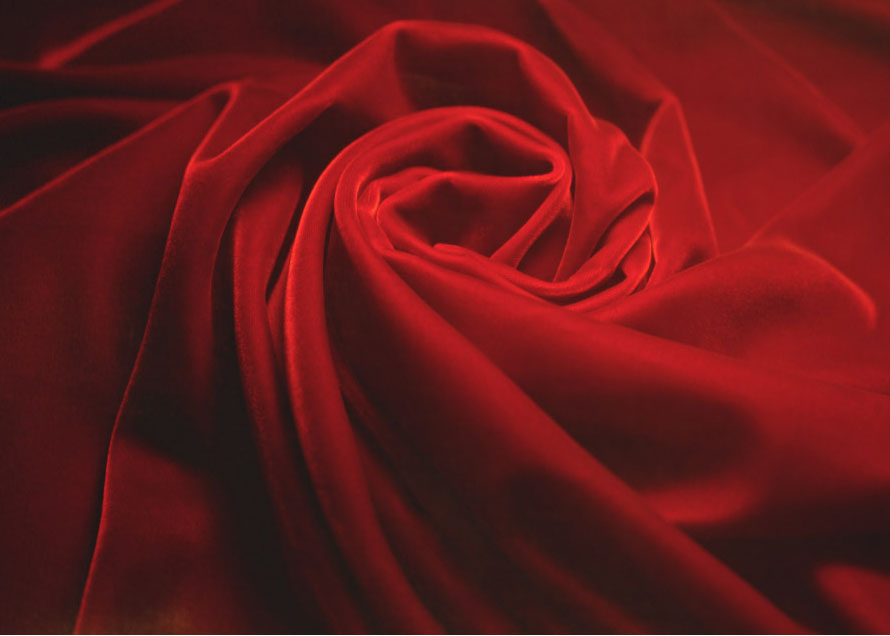
Drill: Firm cotton fabric, similar to denim. With closer and more flat reinforced lines than gabardine. It is used for uniforms, bedspreads, sportswear, and industrial use.

Request a Consultation
A fun, easy, and FREE consultation at our store located in Miami, Florida.
